• Services
    • All Services
    • Skilled Home Health
    • Hospice Care
    • Personal Care Services
    • Behavioral Health
    • Palliative Care
    • ElaraConnect
    • Veteran Care
    • Home Care by Diagnosis
  • Careers
    • Careers Overview
    • Refer a Friend
  • About Us
    • Learn About Us
    • Leadership
    • Quality & Results
    • Military Front & Center
    • Newsroom
    • Elara Caring Hospice Foundation
    • Volunteer
  • Resources
    • All Resources
    • Patient/Family Resources
    • Provider Resources
    • Blog
    • FAQs
  • Search
  • Find a Location
  • Refer a Patient
    • Skilled Home Health
    • Hospice Care
    • Personal Care Services
    • Behavioral Health
  • Volunteer
  • Donate to Our Hospice Foundation
  • Contact
  • Privacy Policy
  • Facebook
  • linkedin
  • Instagram
  • Find a Location
  • Refer a Patient
    • Skilled Home Health
    • Hospice Care
    • Personal Care Services
    • Behavioral Health
  • Volunteer
  • Donate to Our Hospice Foundation
  • Contact
  • Privacy Policy
Elara Caring
  • Services
    • All Services
    • Skilled Home Health
    • Hospice Care
    • Personal Care Services
    • Behavioral Health
    • Palliative Care
    • ElaraConnect
    • Veteran Care
    • Home Care by Diagnosis
  • Careers
    • Careers Overview
    • Refer a Friend
  • About Us
    • Learn About Us
    • Leadership
    • Quality & Results
    • Military Front & Center
    • Newsroom
    • Elara Caring Hospice Foundation
    • Volunteer
  • Resources
    • All Resources
    • Patient/Family Resources
    • Provider Resources
    • Blog
    • FAQs
  • Search

Home > Resources > Blog > Stroke Recovery at Home: Signs You May Need Home Care

Stroke

Stroke Recovery at Home: Signs You May Need Home Care

Recovering from a stroke is often a long journey. While many patients leave the hospital within days or weeks, healing and rehabilitation frequently continue for months or even years. During this time, everyday tasks like walking, speaking or remembering routines may become more challenging.

For many stroke survivors, home care plays an important role in recovery. Skilled home health services allow patients to receive therapy, clinical monitoring and support in the comfort of their own home.

Recognizing when additional support may help can improve safety, speed recovery and reduce stress for families.

Signs a Stroke Survivor May Need Home Care

Frequent falls or balance problems

After a stroke, weakness or coordination changes can affect balance. A person may begin stumbling while walking across the room or feel unsteady when standing up.

Weakness on one side of the body

Many stroke survivors experience weakness or limited movement on one side of the body. This may make simple tasks such as brushing teeth, buttoning clothing or preparing meals difficult.

Difficulty speaking or swallowing

Stroke can affect areas of the brain responsible for communication and swallowing.

For example, a patient may struggle to find the right words during conversation or cough when drinking liquids.

Memory or cognitive changes

Some stroke survivors experience difficulty concentrating, remembering appointments or following instructions.

Skilled Home Health Support for Stroke Recovery

Elara Caring provides skilled home health services for stroke recovery, helping patients continue rehabilitation after a hospital stay.

Care teams may include nurses, physical therapists, occupational therapists and speech-language pathologists who work together to support neurological recovery.

For example, a stroke patient might receive:

  • Physical therapy to practice walking safely and rebuild strength
  • Occupational therapy to relearn activities like dressing or preparing meals
  • Speech therapy to improve communication or swallowing
  • Nursing visits to monitor health and manage medications

Elara Caring’s Neuro Advantage Approach

Elara Caring offers a specialized Neuro Advantage approach to care designed for patients living with neurological conditions like stroke.

Rather than relying on a single therapy method, Neuro Advantage combines multiple care strategies to help patients regain or maintain independence and quality of life.

This approach may include:

  • Coordinated therapies
  • Personalized exercise programs designed for stroke recovery
  • Digital therapy tools that help patients practice speech or cognitive exercises between visits
  • Ongoing education and support for family caregivers

By combining expert care with personalized rehabilitation strategies, the Neuro Advantage approach helps stroke survivors continue progressing toward recovery at home.

How Personal Care Can Help Stroke Survivors

Stroke recovery often affects a person’s ability to manage everyday tasks. Personal care services can provide additional support that makes daily life safer and more manageable.

Caregivers can help stroke survivors with:

  • Bathing and grooming when balance or mobility is limited
  • Dressing when one-sided weakness makes clothing difficult to manage
  • Meal preparation and assistance with eating
  • Light housekeeping and household tasks
  • Companionship

This type of assistance can reduce fall risk, support recovery and give family caregivers peace of mind.

Supporting Stroke Survivors at Home

Stroke recovery does not end when a patient leaves the hospital. With the right therapy and support, many stroke survivors can continue rebuilding strength and independence while living safely at home.

Recognizing early signs that additional help may be needed can make a meaningful difference in recovery and long-term quality of life.

Contact your local Elara Caring team to learn more.
 

Recent Articles

Caring Career Spotlight: Jenna, Branch Director »Caring Career Spotlight: Ashlee, Hospice Clinical Coordinator »Understanding Cholesterol: Support Heart Health at Home »

Share:

  • Facebook
  • linkedin

Team Member Feature

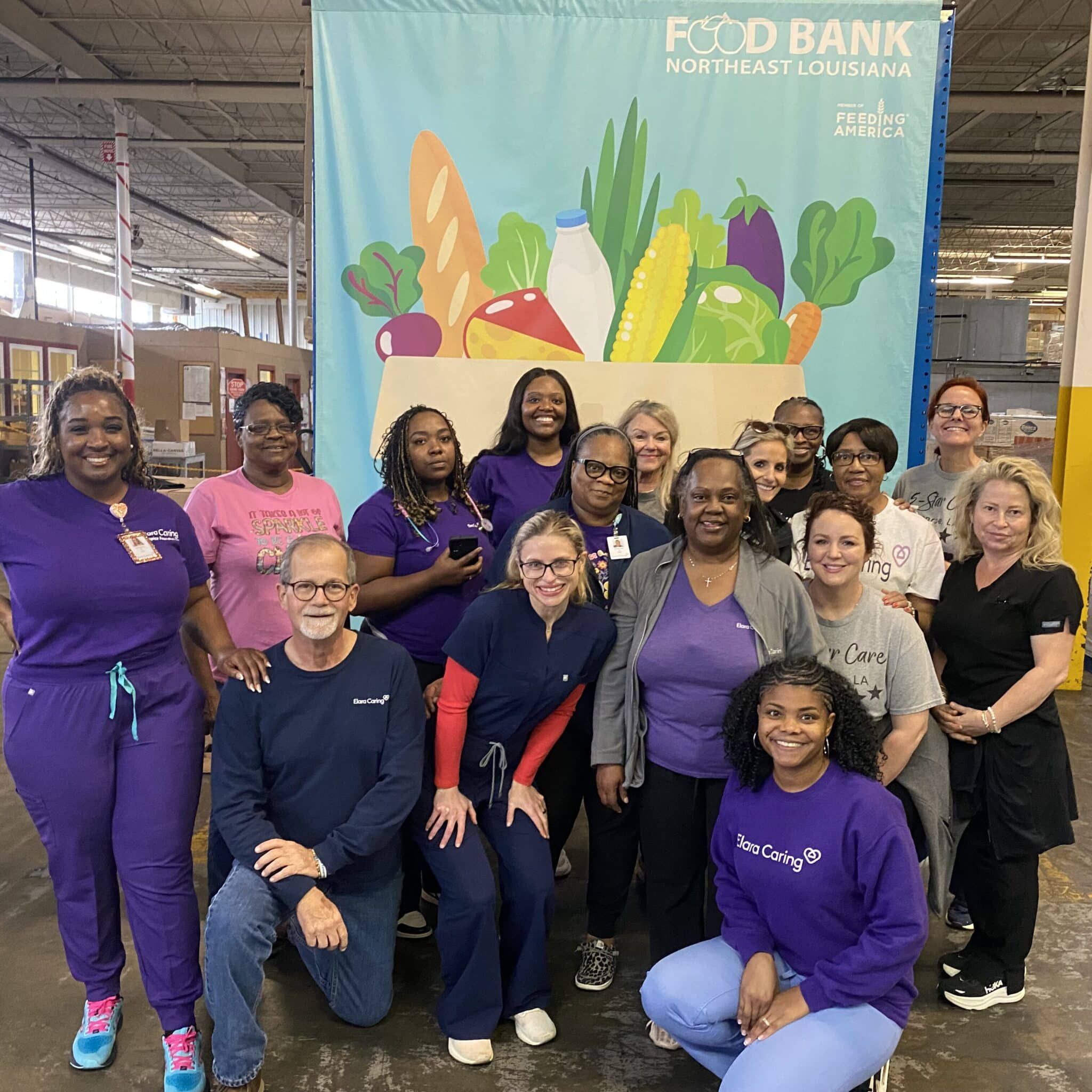
Branch Spotlight: Monroe, LA Hospice Team Gives Back

elara caring exciting new chapter caring more

Elara Caring News

Elara Caring Secures New Strategic Investment from Ares and DaVita

Home Hospice Care

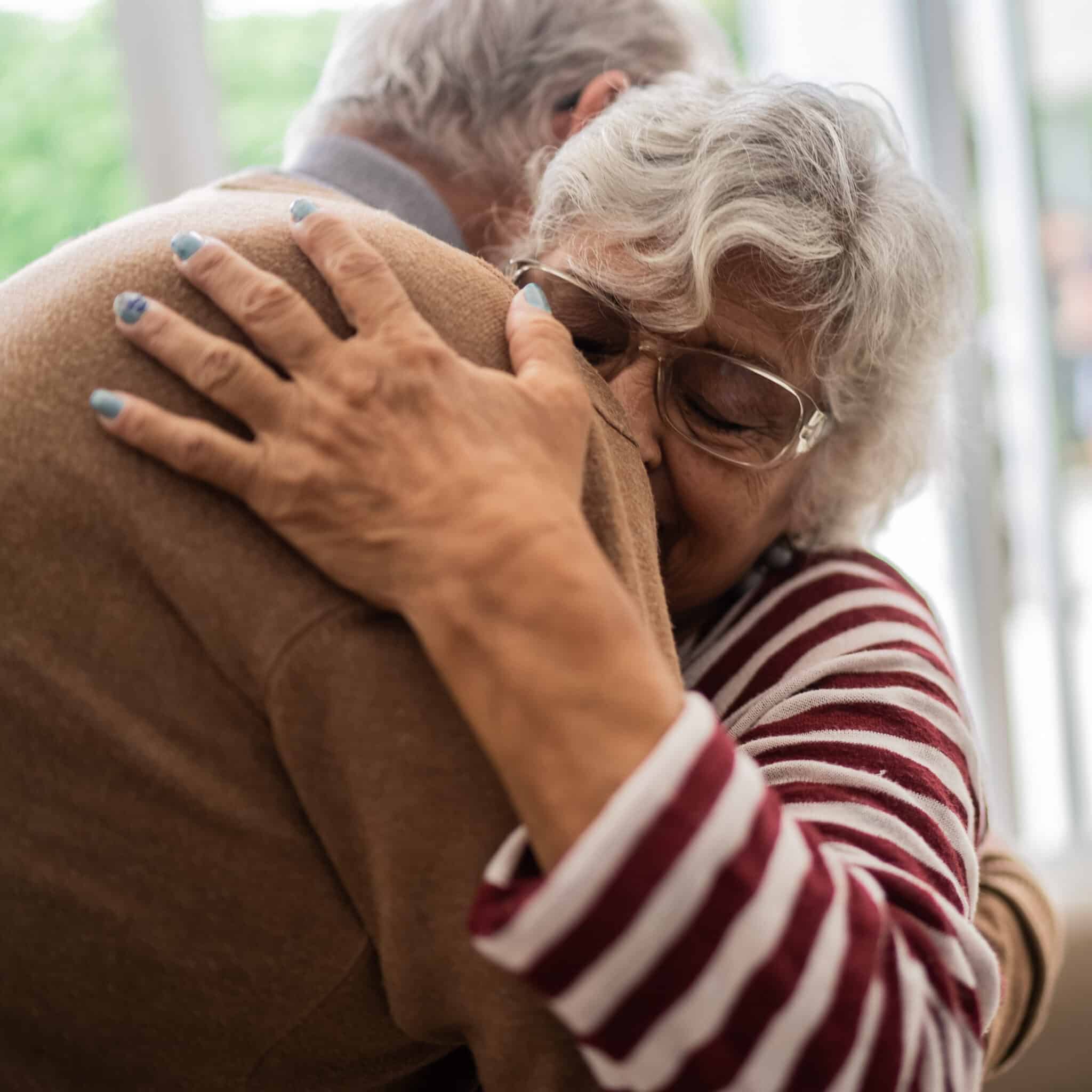
Thoughtful Care: Support and Guidance for Dementia Caregivers and Families

Veterans

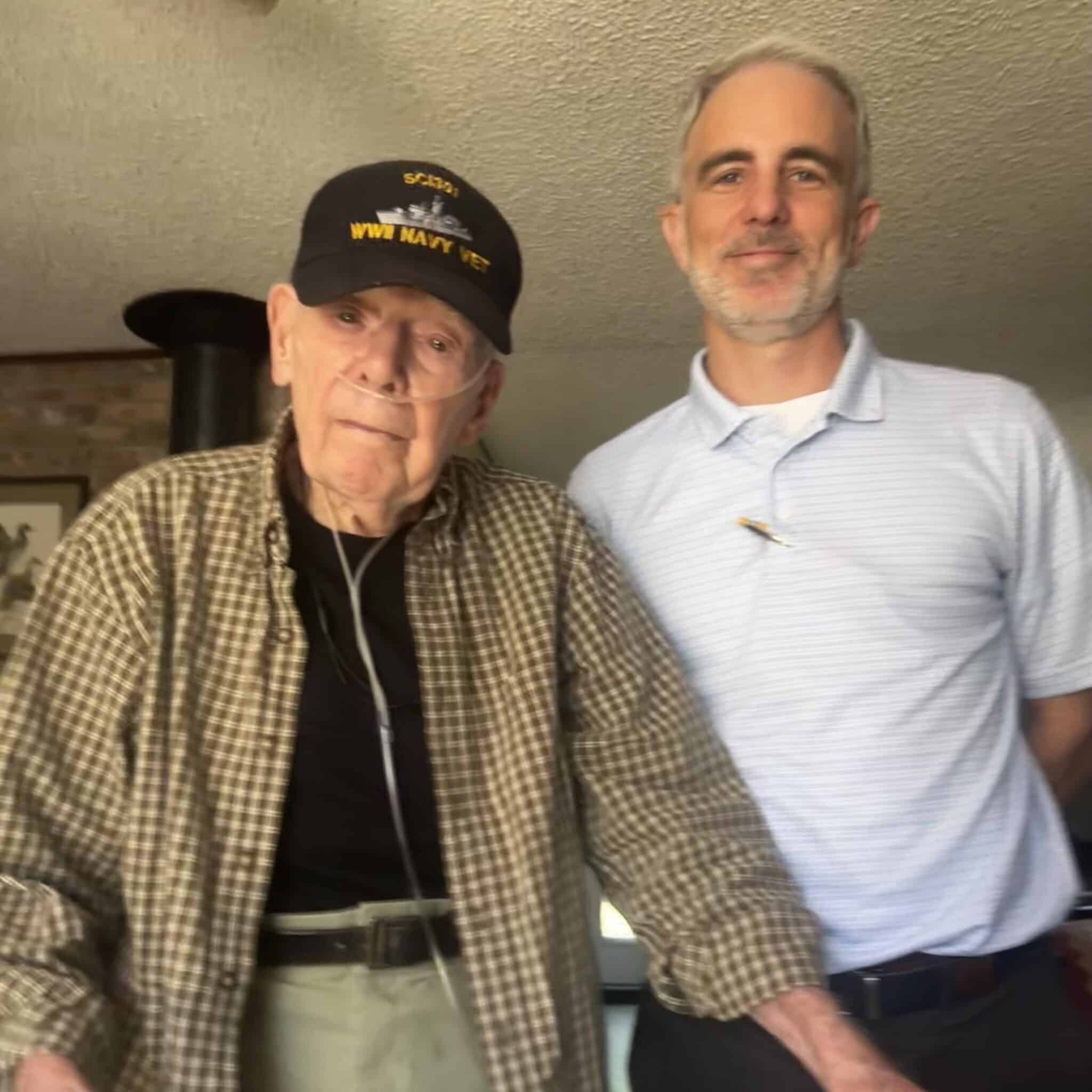
BRAVE and In-Home Care: Supporting Veterans Through Healing and Compassion

Home Hospice Care

Painting Memories

Skilled Home Care

Staying Connected to Care with Elara Caring’s Check-In Program

Featured

Dementia Caregiving: Finding the Support You Need

Featured

Call Us First: The Key to Confident, Connected Home Care

View Articles
Previous Next
Find a JobFind a Job Refer a PatientRefer a Patient Explore ServicesExplore Services Find a LocationFind a Location
Elara Caring
Connect with Us!
  • Facebook
  • linkedin
  • Instagram

Diagnoses

  • Alzheimer’s and Dementia
  • Cancer
  • Depression and Anxiety
  • Emotional Wellness & Aging
  • Heart Disease & Heart Failure
  • Incontinence
  • Joint Replacement Recovery
  • Kidney Disease
  • Low Vision
  • Neurological Conditions
  • Parkinson’s Disease
  • Pneumonia
  • PTSD
  • Pulmonary Disease
  • Substance Use Disorder
  • Stroke
  • Wounds

How We Approach Care

  • By Your Side
  • Call Us First Program
  • Functional Advantage
  • Get Home Stay Home
  • Neuro Advantage
  • Programs – Skilled Home Health
  • Programs – Hospice Care
  • Programs – Behavioral Health

Types of In-Home Care

  • Behavioral Health
  • Hospice Care
  • Palliative Care
  • Personal Care Services
  • Skilled Home Health

Veteran Care

  • Front and Center
  • Operation Veteran Care
  • We Honor Veterans Program
  • Veteran Resources

Giving Back

  • Elara Caring Hospice Foundation
  • Volunteer

Careers

  • About Us
  • Benefits
  • Explore Jobs

About Us

  • Blog
  • Newsroom
  • Why Choose Elara Caring
  • Quality-Results
  • Contact Us
  • Privacy Policy
  • Non Discrimination
  • Grant Notice
  • Accessibility Statement
  • Language Services

© 2026 Elara Caring

This site is protected by reCAPTCHA and the Google Privacy Policy and Terms of Service apply.

Manage Cookie Consent
To provide the best experiences, we use technologies like cookies to store and/or access device information. Consenting to these technologies will allow us to process data such as browsing behavior or unique IDs on this site. Not consenting or withdrawing consent, may adversely affect certain features and functions.
Functional Always active
The technical storage or access is strictly necessary for the legitimate purpose of enabling the use of a specific service explicitly requested by the subscriber or user, or for the sole purpose of carrying out the transmission of a communication over an electronic communications network.
Preferences
The technical storage or access is necessary for the legitimate purpose of storing preferences that are not requested by the subscriber or user.
Statistics
The technical storage or access that is used exclusively for statistical purposes. The technical storage or access that is used exclusively for anonymous statistical purposes. Without a subpoena, voluntary compliance on the part of your Internet Service Provider, or additional records from a third party, information stored or retrieved for this purpose alone cannot usually be used to identify you.
Marketing
The technical storage or access is required to create user profiles to send advertising, or to track the user on a website or across several websites for similar marketing purposes.
  • Manage options
  • Manage services
  • Manage {vendor_count} vendors
  • Read more about these purposes
View preferences
  • {title}
  • {title}
  • {title}