• Services
    • All Services
    • Skilled Home Health
    • Hospice Care
    • Personal Care Services
    • Behavioral Health
    • Palliative Care
    • ElaraConnect
    • Veteran Care
    • Home Care by Diagnosis
  • Careers
    • Careers Overview
    • Refer a Friend
  • About Us
    • Learn About Us
    • Leadership
    • Quality & Results
    • Military Front & Center
    • Newsroom
    • Elara Caring Hospice Foundation
    • Volunteer
  • Resources
    • All Resources
    • Patient/Family Resources
    • Provider Resources
    • Blog
    • FAQs
  • Search
  • Find a Location
  • Refer a Patient
    • Skilled Home Health
    • Hospice Care
    • Personal Care Services
    • Behavioral Health
  • Volunteer
  • Donate to Our Hospice Foundation
  • Contact
  • Privacy Policy
  • Facebook
  • linkedin
  • Instagram
  • Find a Location
  • Refer a Patient
    • Skilled Home Health
    • Hospice Care
    • Personal Care Services
    • Behavioral Health
  • Volunteer
  • Donate to Our Hospice Foundation
  • Contact
  • Privacy Policy
Elara Caring
  • Services
    • All Services
    • Skilled Home Health
    • Hospice Care
    • Personal Care Services
    • Behavioral Health
    • Palliative Care
    • ElaraConnect
    • Veteran Care
    • Home Care by Diagnosis
  • Careers
    • Careers Overview
    • Refer a Friend
  • About Us
    • Learn About Us
    • Leadership
    • Quality & Results
    • Military Front & Center
    • Newsroom
    • Elara Caring Hospice Foundation
    • Volunteer
  • Resources
    • All Resources
    • Patient/Family Resources
    • Provider Resources
    • Blog
    • FAQs
  • Search

Home > Resources > Blog > Campaign Against Pain: Managing Pain at Home

Health and Wellness

Campaign Against Pain: Managing Pain at Home

Pain is more than just a physical sensation—it affects every aspect of life. Whether you’re recovering from surgery, managing a chronic condition or dealing with daily aches, understanding and describing your pain is the first step toward effective relief.

Understanding Pain

Pain can be classified into two main categories:

  • Acute Pain – A normal response to injury, illness, surgery, trauma or a painful medical procedure. It typically comes on suddenly and lasts less than a month.
  • Chronic Pain – Pain that persists beyond the usual recovery period, typically lasting more than three to six months. Chronic pain can be constant or intermittent and may stem from injury, disease or unknown causes. It can significantly impact daily life, causing physical limitations, emotional distress and social withdrawal.

Types of Pain

Pain manifests in different ways. Some common descriptions include:

  • Burning
  • Tingling
  • Cramping
  • Aching
  • Sharp
  • Dull
  • Throbbing
  • Shooting
  • Tender
  • Intense
  • Tiring
  • Gnawing

Why Accurately Describing Pain Matters

Effectively communicating your pain level and type helps healthcare providers diagnose the root cause and develop personalized treatment plans. Using a pain scale and descriptive words can lead to better outcomes and faster relief.

Practical Ways to Manage Pain

Pain management requires a holistic approach that considers physical, emotional and cognitive well-being. Always consult with your physician before implementing any new strategies.

Hot and Cold Therapy

  • Heat packs or warm baths help relax muscles and alleviate joint pain.
  • Cold packs reduce inflammation and numb pain areas.

Caring Mindfully

  • Relaxation techniques, deep breathing and mindfulness can help reduce stress and improve pain perception.
  • If pain prevents you from participating in social activities, discuss additional management strategies with your healthcare provider.

Physical Activity

  • Gentle exercises and stretching can improve flexibility and strength.
  • Balance exercises help prevent falls.
  • Always consult your physician before starting a new exercise routine.

Hydration and Nutrition

  • Staying hydrated keeps joints lubricated and supports overall health.
  • A balanced diet rich in vitamins and minerals can aid in pain management and recovery.

Assistive Devices

  • Walkers, canes, braces and other assistive devices can provide support and alleviate mobility-related pain.
  • Consult your doctor to find the right device for your needs.

Medications

  • Take medications as prescribed and use a pill organizer to prevent missed doses.
  • Keeping a medication journal can help track effectiveness and side effects.
  • Consult your healthcare provider if your pain medication is not effective or causes adverse reactions.

Partnering for Effective Pain Management

At Elara Caring, we are dedicated to providing compassionate, individualized care to help you or your loved one manage pain effectively. If you have questions or concerns about pain management, we are here to help.

For more information, contact your local team or explore our in-home care options.
 

Recent Articles

Understanding Cholesterol: Support Heart Health at Home »Parkinson’s Disease and Home Care: When Extra Support Can Help »A Heart for Service: Volunteer Jake »

Share:

  • Facebook
  • linkedin

Team Member Feature

Branch Spotlight: Monroe, LA Hospice Team Gives Back

elara caring exciting new chapter caring more

Elara Caring News

Elara Caring Secures New Strategic Investment from Ares and DaVita

Home Hospice Care

Thoughtful Care: Support and Guidance for Dementia Caregivers and Families

Veterans

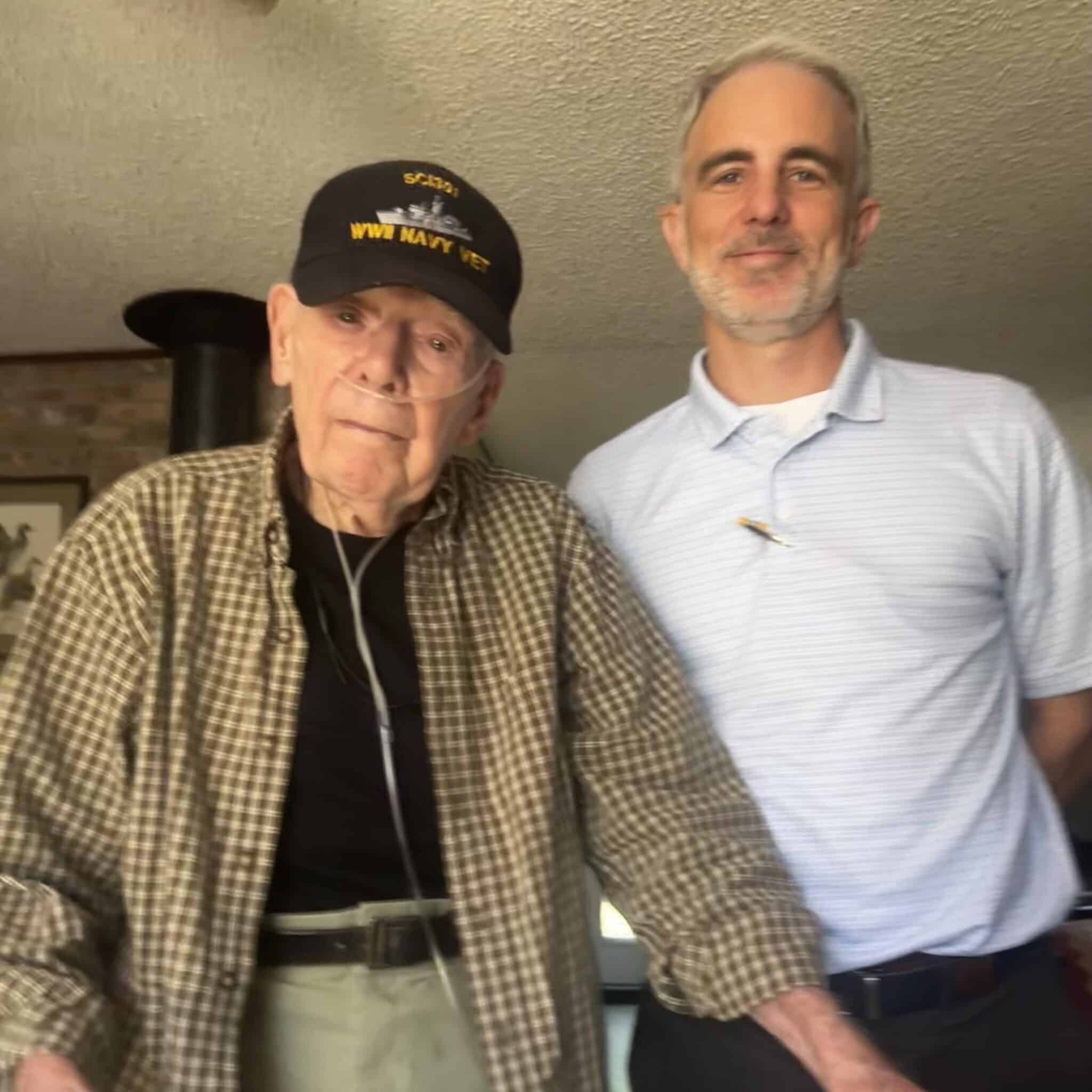
BRAVE and In-Home Care: Supporting Veterans Through Healing and Compassion

Home Hospice Care

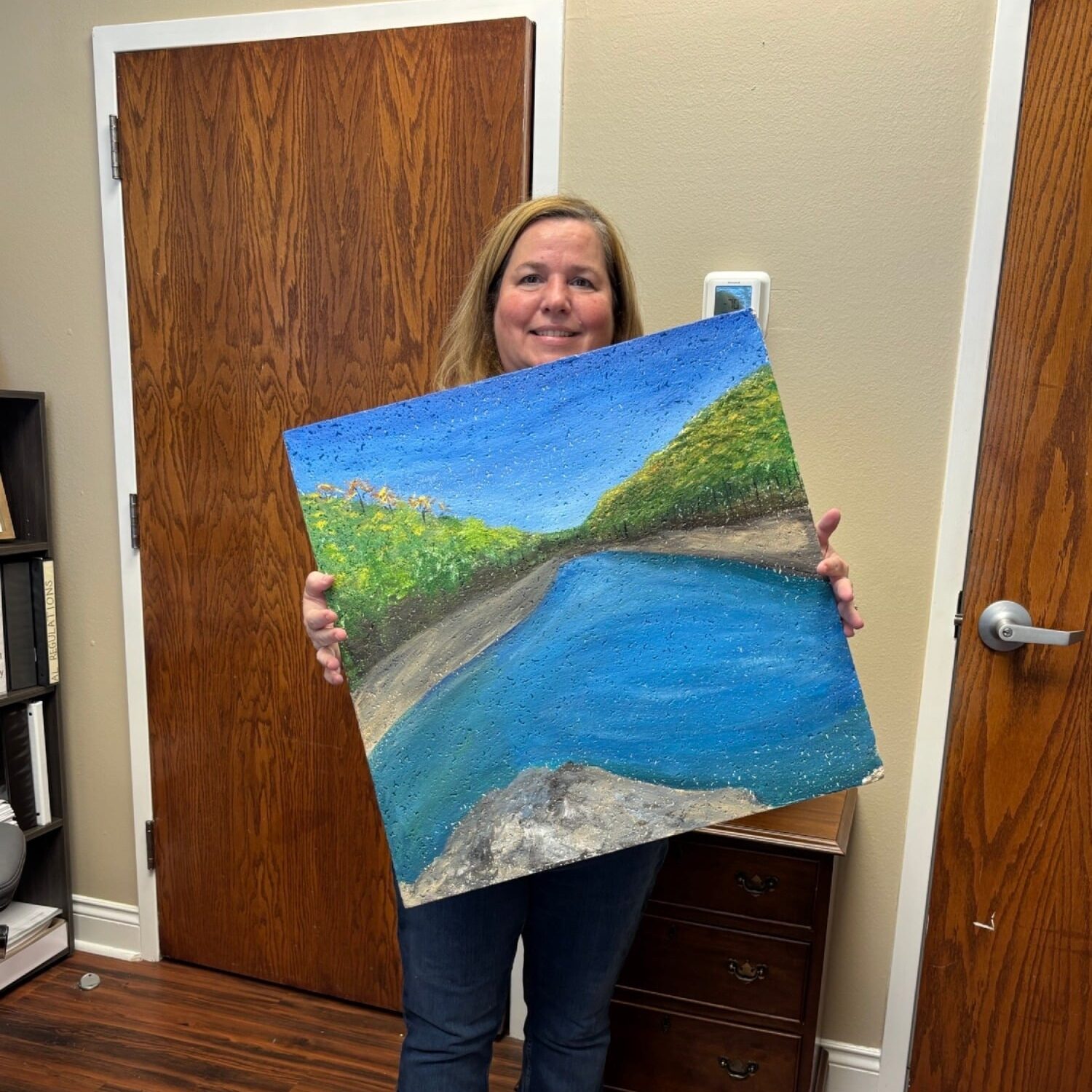
Painting Memories

Skilled Home Care

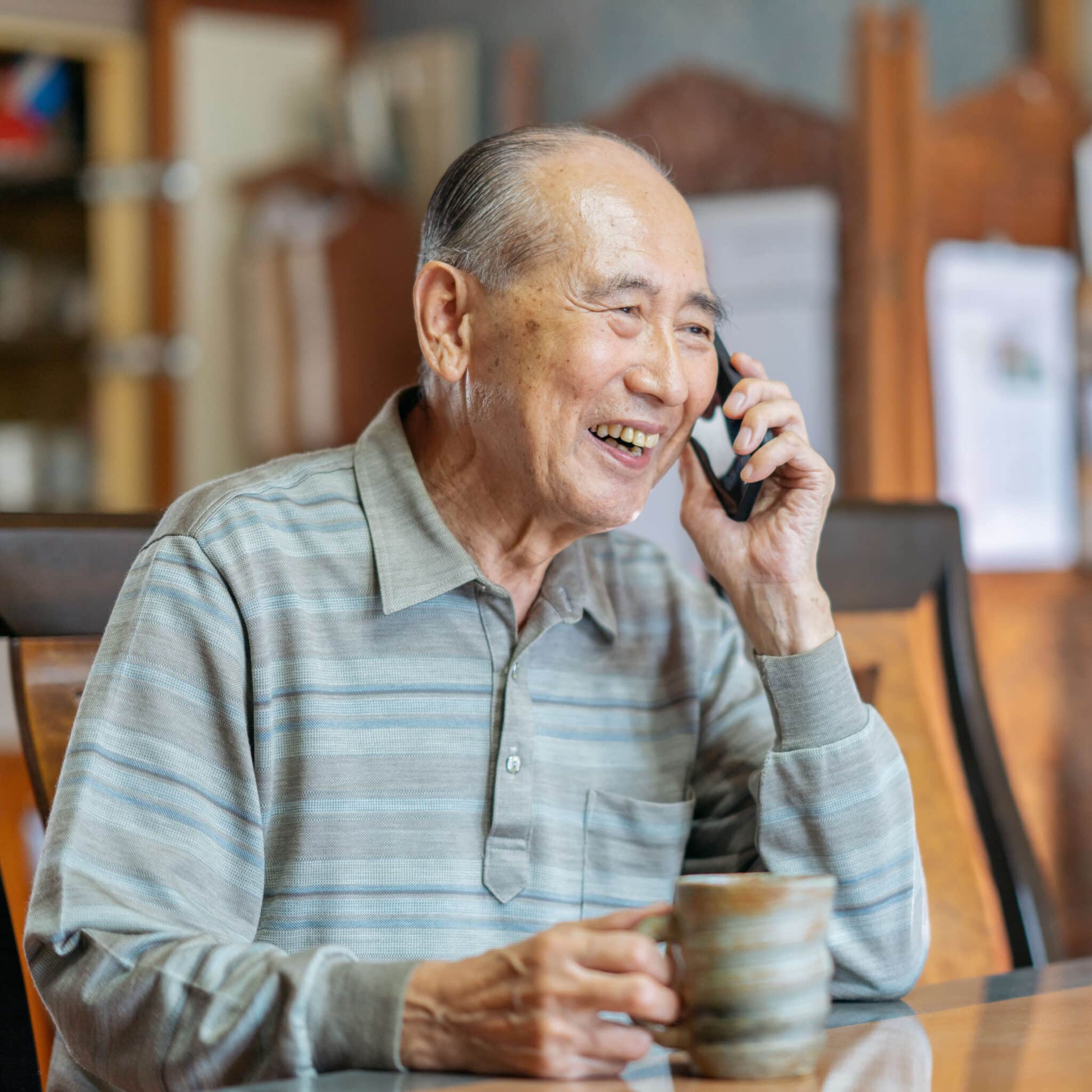
Staying Connected to Care with Elara Caring’s Check-In Program

Featured

Dementia Caregiving: Finding the Support You Need

Featured

Call Us First: The Key to Confident, Connected Home Care

View Articles
Previous Next
Find a JobFind a Job Refer a PatientRefer a Patient Explore ServicesExplore Services Find a LocationFind a Location
Elara Caring
Connect with Us!
  • Facebook
  • linkedin
  • Instagram

Diagnoses

  • Alzheimer’s and Dementia
  • Cancer
  • Depression and Anxiety
  • Emotional Wellness & Aging
  • Heart Disease & Heart Failure
  • Incontinence
  • Joint Replacement Recovery
  • Kidney Disease
  • Low Vision
  • Neurological Conditions
  • Parkinson’s Disease
  • Pneumonia
  • PTSD
  • Pulmonary Disease
  • Substance Use Disorder
  • Stroke
  • Wounds

How We Approach Care

  • By Your Side
  • Call Us First Program
  • Functional Advantage
  • Get Home Stay Home
  • Neuro Advantage
  • Programs – Skilled Home Health
  • Programs – Hospice Care
  • Programs – Behavioral Health

Types of In-Home Care

  • Behavioral Health
  • Hospice Care
  • Palliative Care
  • Personal Care Services
  • Skilled Home Health

Veteran Care

  • Front and Center
  • Operation Veteran Care
  • We Honor Veterans Program
  • Veteran Resources

Giving Back

  • Elara Caring Hospice Foundation
  • Volunteer

Careers

  • About Us
  • Benefits
  • Explore Jobs

About Us

  • Blog
  • Newsroom
  • Why Choose Elara Caring
  • Quality-Results
  • Contact Us
  • Privacy Policy
  • Non Discrimination
  • Grant Notice
  • Accessibility Statement
  • Language Services

© 2026 Elara Caring

This site is protected by reCAPTCHA and the Google Privacy Policy and Terms of Service apply.

Manage Cookie Consent
To provide the best experiences, we use technologies like cookies to store and/or access device information. Consenting to these technologies will allow us to process data such as browsing behavior or unique IDs on this site. Not consenting or withdrawing consent, may adversely affect certain features and functions.
Functional Always active
The technical storage or access is strictly necessary for the legitimate purpose of enabling the use of a specific service explicitly requested by the subscriber or user, or for the sole purpose of carrying out the transmission of a communication over an electronic communications network.
Preferences
The technical storage or access is necessary for the legitimate purpose of storing preferences that are not requested by the subscriber or user.
Statistics
The technical storage or access that is used exclusively for statistical purposes. The technical storage or access that is used exclusively for anonymous statistical purposes. Without a subpoena, voluntary compliance on the part of your Internet Service Provider, or additional records from a third party, information stored or retrieved for this purpose alone cannot usually be used to identify you.
Marketing
The technical storage or access is required to create user profiles to send advertising, or to track the user on a website or across several websites for similar marketing purposes.
  • Manage options
  • Manage services
  • Manage {vendor_count} vendors
  • Read more about these purposes
View preferences
  • {title}
  • {title}
  • {title}